Close-up detail of an artwork displayed at the ambassade hotel.

The Art Collection

Discover the art collection of the Ambassade Hotel

CoBrA art: 1948-1951

CoBrA (acronym for Copenhagen, Brussels and Amsterdam) is the most important European avant-garde movement after World War II. About fifty experimental artists from all across the continent connected in 1948-1951 through a direct and spontaneous way of expressing. They recognized themselves in experimental art and the distinctive theories of the Danish, Belgian and Dutch founders: Art for everyone, by everyone.

They wanted to take away from academicism and were inspired by children’s drawings, folk art and medieval frescoes. In short by all sorts of art outside the classical box. Together they formed an extensive movement, with many followers, manifestations, expressions and collaborations in all fields of the arts. Cobra has been and is extremely significant for both the Dutch and international art scene.

Artwork displayed in a classic deluxe room at the ambassade hotel.
Dining along the canal with artworks on the walls at brasserie ambassade.
Couloir du premier étage de l'hôtel Ambassade avec des œuvres CoBrA de Wolvecamp sur les murs.

Seized by the expression, the management of the Ambassade Hotel started with the collection of Cobra art in late 2001. At the time of writing the collection contains more than 800 works of art.

Amsterdam Impressionists

Approx. 1890 – 1915

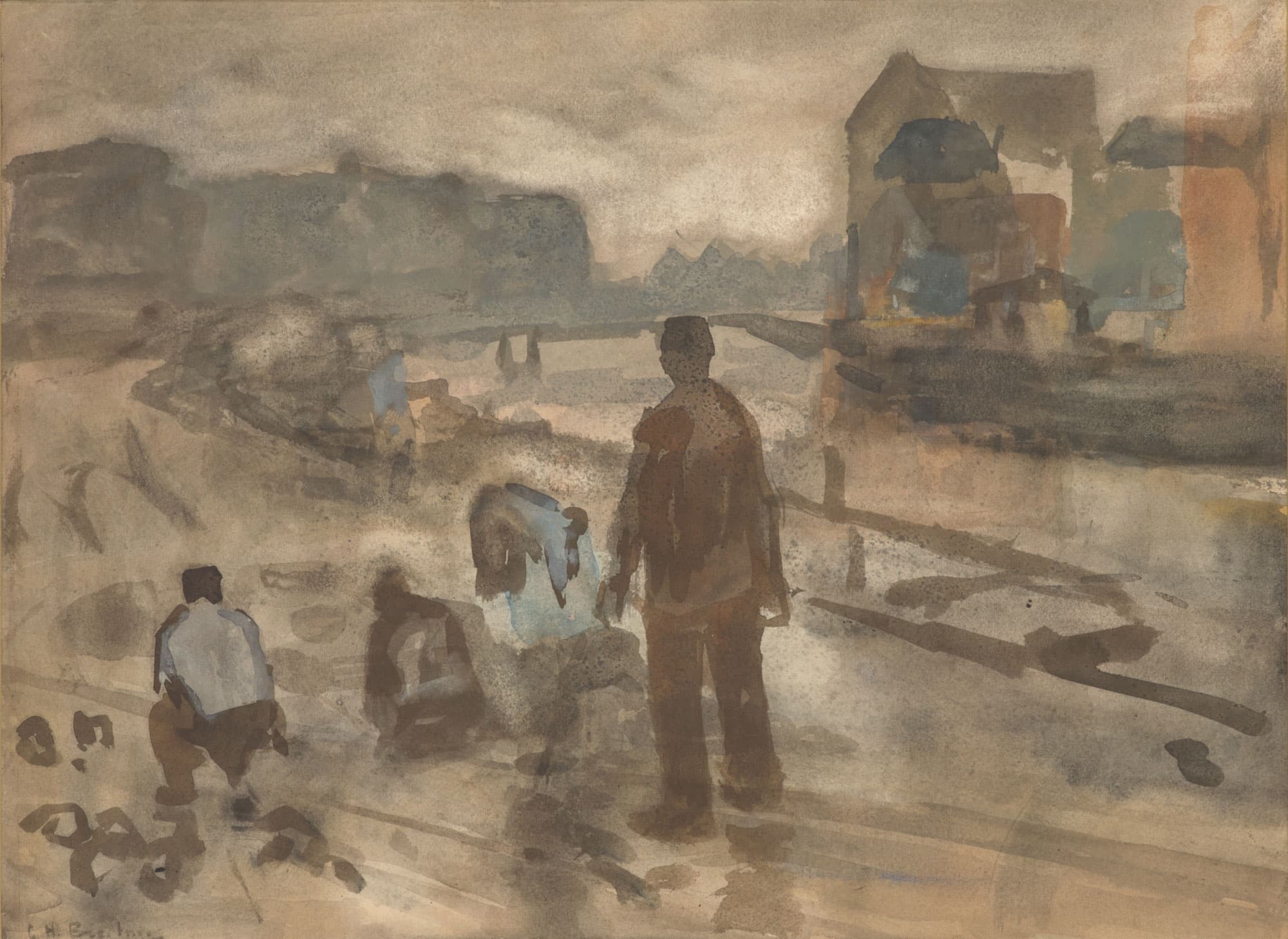
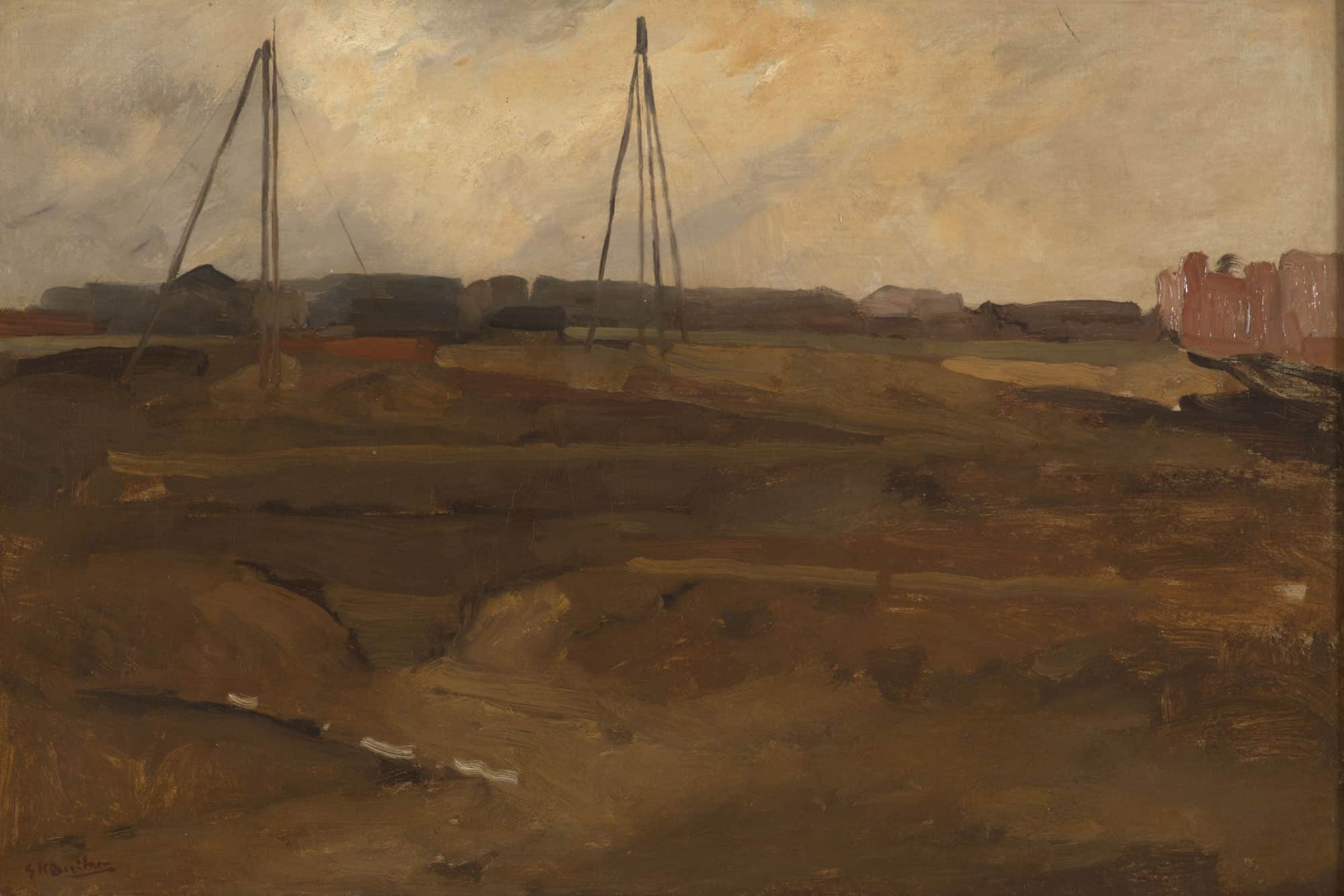
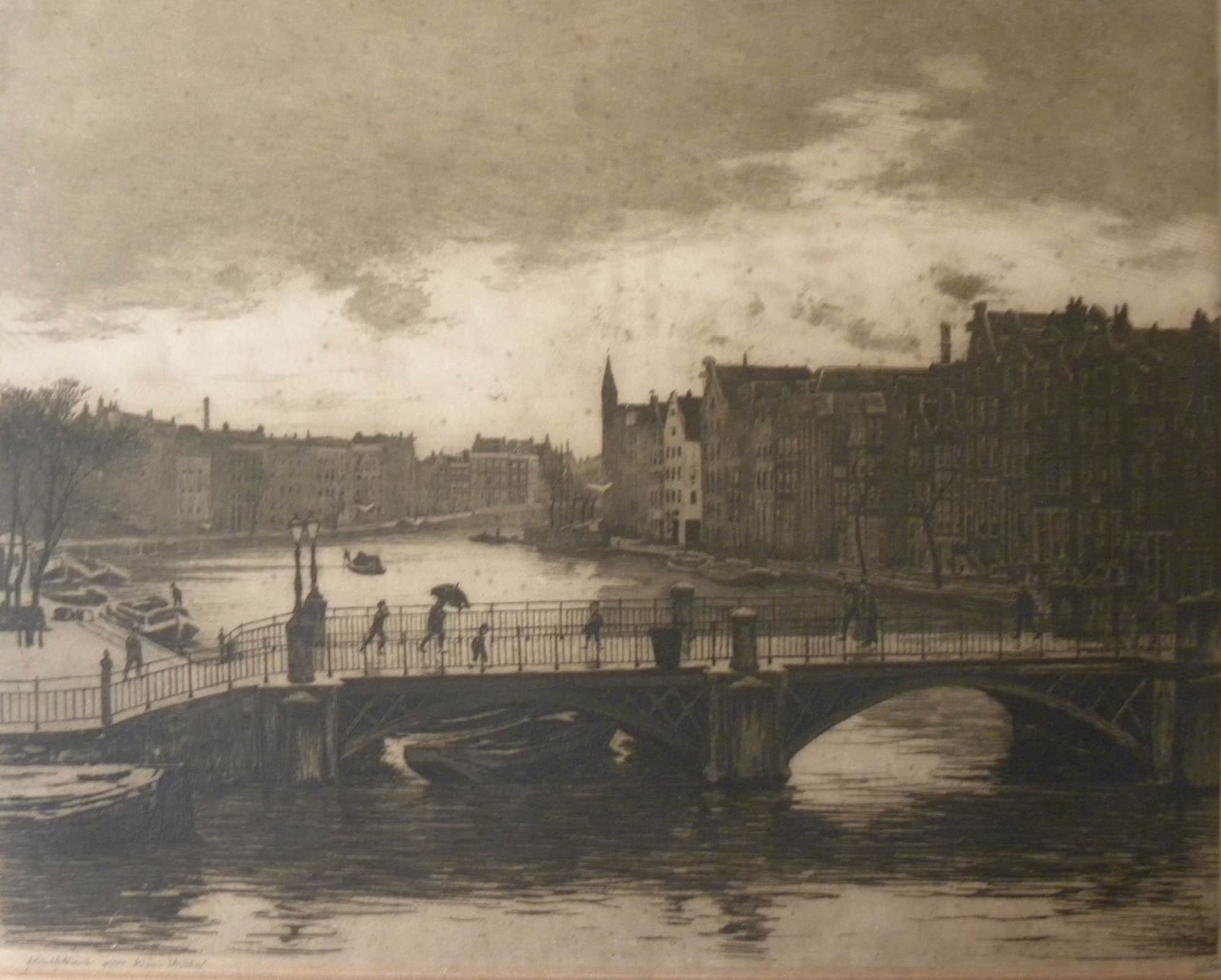
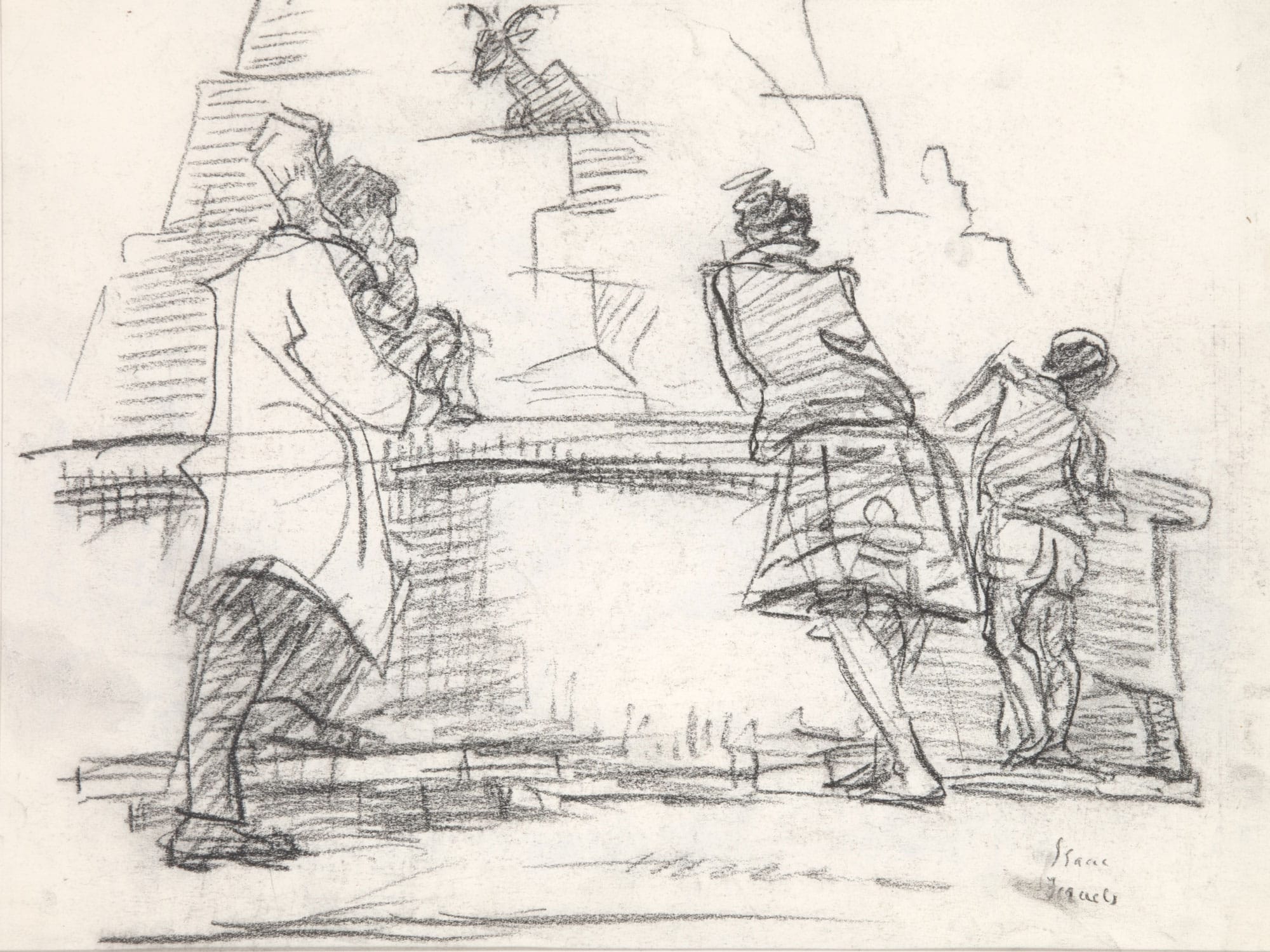
The Ambassade Hotel’s art collection also includes a small but interesting selection of works by Amsterdam Impressionists, including Isaac Israëls, George Hendrik Breitner, Willem Witsen, Willem Bastiaan Tholen, Floris Verster and Willem de Zwart.

Amsterdam Impressionism emerged in the late nineteenth century, with Breitner and Israëls as its leading figures. Both found endless inspiration in the city’s everyday life, painting busy streets, passers-by, cafés and working people. Their lively brushwork and unconventional compositions captured the atmosphere and movement of a rapidly changing Amsterdam.

Although closely associated with city life, the interests of these artists extended to landscapes, portraits and still lifes. They shared an interest in light, colour and atmosphere, while each developed a distinctive approach. Together, their works offer a varied and intimate glimpse of Dutch life around the turn of the twentieth century.