Where to stay in amsterdam: the right area for the way you travel

Where to stay in Amsterdam: the right area for the way you travel

Key takeaways:

  • Most first-time visitors are best placed in the Canal Ring, where the museums, the Jordaan and Dam Square are all within a twenty-minute walk.
  • The Jordaan offers the same central position with quieter streets and rewards those who have seen the main sights before.
  • The Museum Quarter works for museum-led trips, but the evenings there are markedly quieter.
  • De Pijp, Oost and Noord give you more space for your money, at the cost of a daily journey into the center.
  • In the canal houses of the center, rooms are smaller than in modern hotels. That is the trade for the address, and it is worth knowing in advance.

Amsterdam in one minute: how the city is laid out

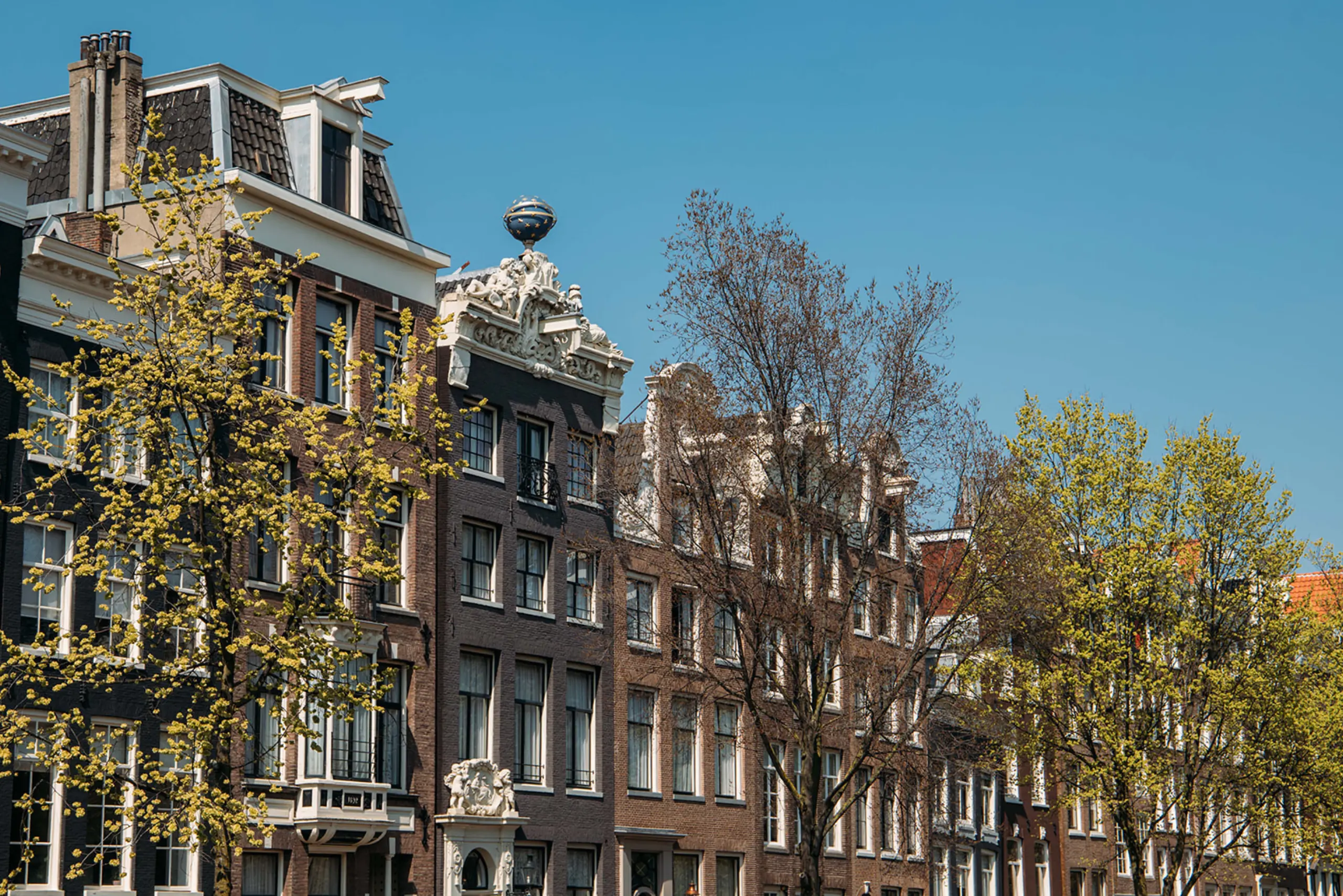
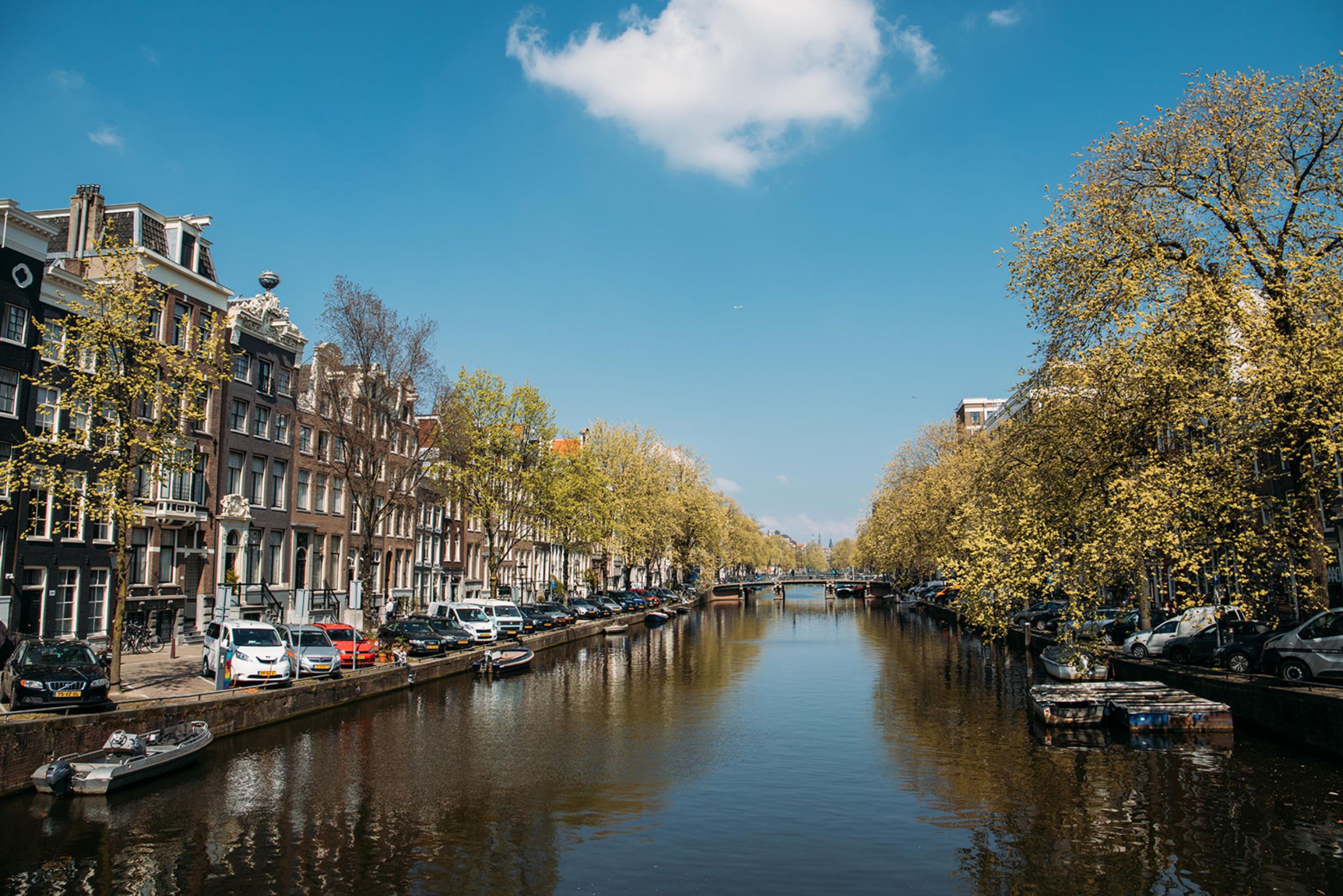
Amsterdam grew outwards in rings. At its heart lies the medieval city center around Dam Square and De Wallen. Around it curves the Canal Ring, the seventeenth-century belt of the Singel, Herengracht, Keizersgracht and Prinsengracht, listed by UNESCO in 2010. Just west of it sits the Jordaan, and just south the Museum Quarter and De Pijp. Everything beyond that, Oost, West and Noord, is where most Amsterdammers actually live.

Two things follow from that shape. Distances inside the ring are short, so an address on a canal usually means walking rather than traveling. And the further out you stay, the more your day is organized around the tram. Our location and contact page shows how the areas connect from the Herengracht.

Where should you stay in Amsterdam for the first time?

For a first visit, stay inside the Canal Ring. It places the Anne Frank House, Dam Square, the Nine Streets and the Museum Quarter within walking distance of one another, which is the single biggest saving of time on a short trip.

A first visit tends to have a fixed list: the canals themselves, one or two of the major museums, and an evening somewhere pleasant. All three are easier from the ring than from anywhere else. The Jordaan is the equally good alternative if you prefer quiet streets to canal views.

If you would like to know what is within reach on foot before you book, our guide to things to see in Amsterdam lists the main sights with opening times and whether they need reserving.

Where to stay in amsterdam: the right area for the way you travel

Which traveler are you, and where should you stay?

Beyond the first visit, the right area follows the way you travel rather than a ranking of neighborhoods.


Couples and canal views

For a canal view, you need the Canal Ring or the Jordaan. Very few buildings elsewhere in the city look out over seventeenth-century water, and in the ring a canal-facing room is usually a separate room category rather than the standard.

Ask when booking whether the view is guaranteed rather than likely. At the Ambassade Hotel, a canal view is guaranteed with a Grand Suite and available in several other room types. You can see the differences under rooms and suites.

Art and museum travelers

The Museum Quarter is the obvious choice, and the Canal Ring is the better one for most people. The Rijksmuseum and the Van Gogh Museum sit about twenty minutes on foot from the ring, and staying there means your evenings are spent among restaurants and bars rather than in a residential district that goes quiet after dinner.

Some hotels in the center hold collections of their own. The Ambassade Hotel has more than 800 works from the CoBrA movement in its corridors and rooms, and a library of over 5,000 books signed by the authors who stayed here. More about both under art and literature.

Families with children

Families gain the most from space, which usually means Oost, Oud-West or Oud-Zuid. The center is possible, but canal houses have steep, narrow staircases and few elevators, and family rooms are limited.

If you would rather stay central with children, ask before booking how the rooms for your party are arranged and whether they are at the quiet rear of the building. At the Ambassade Hotel that capacity is small and we would rather say so: one true family room, suitable for four people, and four triple rooms. When those are taken, the front desk offers two double rooms next to or opposite each other on the same corridor, and adds that the layout of the building means this cannot be promised for every date.

For those willing to spend a little more, one arrangement often works well: a superior deluxe room with a canal view for the parents, and a classic deluxe room at the rear close by for the children. In almost every room the beds can be reset from one day to the next, so the children sleep in the room with twin beds and the parents in the room with a large double.

Business travelers and meetings

For meetings in the center, the Canal Ring is the practical choice: Central Station is about twelve minutes by tram, and Schiphol about twenty-five minutes by taxi. The Zuidas business district is efficient for a single meeting and empty in the evening, which makes it a poor base for a stay of several nights.

Returning visitors who want it quiet

If you have seen the main sights, the case for the very center weakens and the case for the Jordaan and the quieter stretches of the canals grows stronger. These are streets where many of the cafés serve the neighborhood rather than the visitor. Within the ring, the difference between a busy street and a still one can be a single block.

This is also where the smaller museums come into their own, and where a spa or a long lunch replaces a third museum. Koan Float in the Nine Streets is one example.

Solo travelers

Amsterdam is a comfortable city to travel alone in, and the practical question is usually about walking back after dark rather than about safety in general. Well-lit, busy but not rowdy streets are what you want, which points to the Canal Ring, the Jordaan and Oud-Zuid rather than the streets around De Wallen.

What does “close to everything” really mean in Amsterdam?

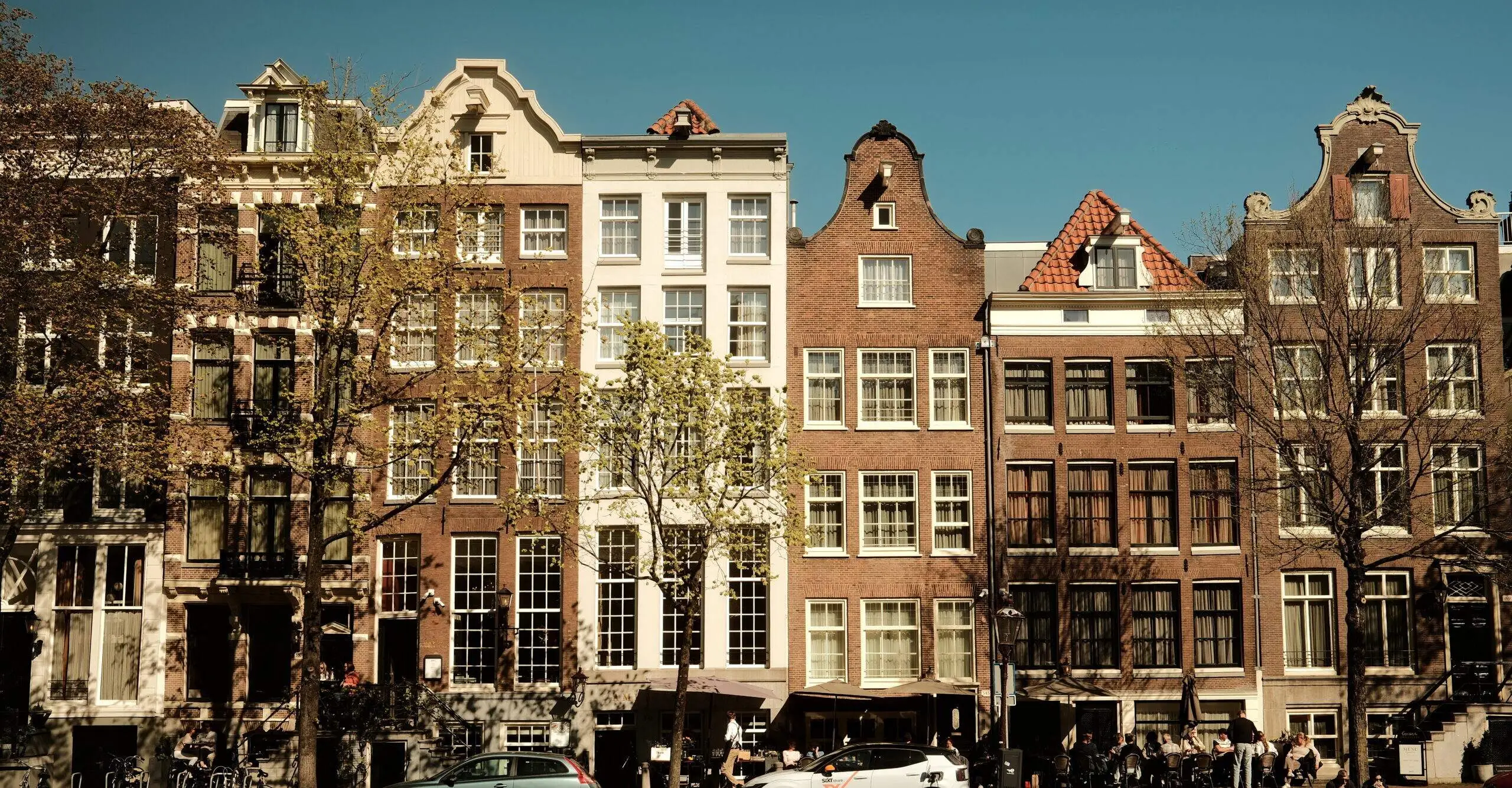
It means walking distance, not tram distance. From the Canal Ring, most of the main sights are between five and twenty-five minutes on foot, which is why many visitors never buy a transport ticket at all.

From the Ambassade Hotel on the Herengracht, Dam Square and the Jordaan are both about five minutes on foot. The Nine Streets are three minutes away, the Anne Frank House twelve, Central Station twenty, and the Museum Quarter twenty-five. Those are measured times, not estimates.

The claim is worth testing when you book elsewhere. Hotels described as central sometimes sit fifteen minutes beyond the ring, which changes a morning considerably.

How much does it cost to stay in Amsterdam, and where is it cheaper?

Rates are set by area, season and how far ahead you book, and a range per area says less than it looks, because every area holds both simple and expensive hotels. What we can give you is our own: at the Ambassade Hotel a room at the rear booked through our own site starts at 219 euro a night, and a Grand Suite at the end of April runs to 1,074 euro. You can see the room types under rooms and suites.

Across the city, the Canal Ring and the Museum Quarter are the most expensive areas, and Oost and West hold more of the budget hotels. Treat that as a general rule rather than a law: there are expensive hotels in Oost as well. On top of the room rate, the city charges tourist tax.

Amsterdam charges 12.5 percent tourist tax on the price of an overnight stay in 2026, a rate the municipality confirmed in its budget. From 2027 it rises to 16 percent, and then by roughly one point a year toward 20 percent in 2031. On a room of 200 euro a night, the 2026 rate adds 25 euro per night.

Booking sites often show the room rate without that tax, so add it before comparing two hotels. Check as well whether breakfast is included, in the center and outside it. Hotels across the city quote both versions of the same room: the rate with breakfast included is usually the cheaper way to eat, on the condition that it is charged for every day of your stay.

What moves the price the most: the season. Rates run to their maximum around King’s Day and the tulip weeks, at New Year, at Easter and Ascension, and during the large conferences in the fall. After that come whether your stay includes a Friday or Saturday, and how far ahead you book.

What moves it next: the view. Within one hotel, rooms at the front over the water cost considerably more than rooms at the rear, and hotels in the side streets ask less than hotels on the canals themselves.

What moves it least: which of the three main canals you choose. The Herengracht has been known as the grandest for centuries, but a good boutique hotel here is not more expensive than a comparable one on the Keizersgracht or the Prinsengracht.

Booking early almost always gives you the better rate. The one exception is the last-minute rate, which is released about a week ahead when rooms are still unsold.

Which areas would we not recommend, and why?

No area is a mistake for everyone, but three regularly disappoint the guests who chose them for the wrong reason.

•     De Wallen and the Damrak are as central as it gets, and noisy until well after midnight. Light sleepers and families tend to regret the choice.

•     The Zuidas is well connected and largely deserted outside office hours. It suits a single night before a flight, not a city break.

•     Budget addresses far outside the ring can cost more than they save once you add two tram journeys a day for three days. Compare the rate against the time, not against the rate alone.

Does the right area change with the length of your stay?

Yes, and mostly for practical reasons. The shorter the stay, the more central you should be.

•     One night: stay within ten minutes of where you need to be in the morning. Anything else spends your evening on transport.

•     Two or three nights: the Canal Ring or the Jordaan. This is the length most visitors book, and walking distance matters most here.

•     Four nights or more: the center still works, but this is where Oud-Zuid, Oost and a larger room start to make sense, and where a day outside the city fits.

Three days is enough to see the historic center and two major museums without rushing. It is not enough to add a day trip as well, which is the most common overreach we see.

Scenic view over the canals of amsterdam.

What guests and Rick Steves say about staying on the Herengracht

Of 45 guest reviews, predominantly from Tripadvisor, which we analyzed in July 2026, 33 mention the location as a reason the stay worked, and 10 describe the same combination in their own words: central and yet quiet. That is 73 percent and 22 percent respectively.

The American travel writer Rick Steves has stayed at the Ambassade Hotel several times. Asked what a hotel is for, he answered that it is “a place to call home” and that “when I sleep in Amsterdam, I choose a hotel like Ambassade”. The full interview is in our article Travel is freedom.

We mention it not as an endorsement to lean on, but because it describes the practical case for the area precisely: a quiet base you can walk out of and into the city.

Where does the Ambassade Hotel fit?

The hotel occupies a row of canal houses at Herengracht 341, inside the Canal Ring and in the middle of the Nine Streets, on a quieter stretch of the water. Dam Square and the Jordaan are each about five minutes away on foot. Several rooms look out over the canal, and a number lie at the rear of the building, away from the water and the street.

Two things come back from guests, and we would rather name them here than let you find them out on arrival: the rooms are small and the stairs are steep. About the location, and the Herengracht in particular, guests rarely have anything to criticize. What does happen now and then is that a guest spends one night in the center and books the rest of the holiday just outside the city, where there is more space and the hotels are newer. If that trade sounds right to you, the center is worth one or two nights rather than five.

That makes it a fit for first-time visitors, couples and culture-led travelers, and a poor fit for those traveling with a car or needing a large family room. If that sounds right, our rooms and suites und der special offers pages are the place to continue. If it does not, one of the areas above will serve you better.

Frequently asked questions

What is the best area to stay in Amsterdam?

Is it better to stay near Amsterdam Central Station or in the Jordaan?

Which areas of Amsterdam should you avoid staying in?

Is three days enough in Amsterdam?

Where should you stay in Amsterdam with children?

Is it worth paying for a canal view?

How much should you budget per night in Amsterdam?

When should you book, and does the area matter for that?

Do you need a car in Amsterdam?

Related reading

•     Things to see in Amsterdam for what to book ahead and what is free

•     10 things to do in Amsterdam for activities rather than sights

•     Travel is freedom: an interview with Rick Steves for the full conversation